Industrial Drone Ecosystem: From Single Platform to Systematic Operations
Industrial drone applications are rapidly expanding. Heavy-lift transport, swarm coordination, precision agriculture, and water patrols—once isolated scenarios—are now integrated into a single technology platform.
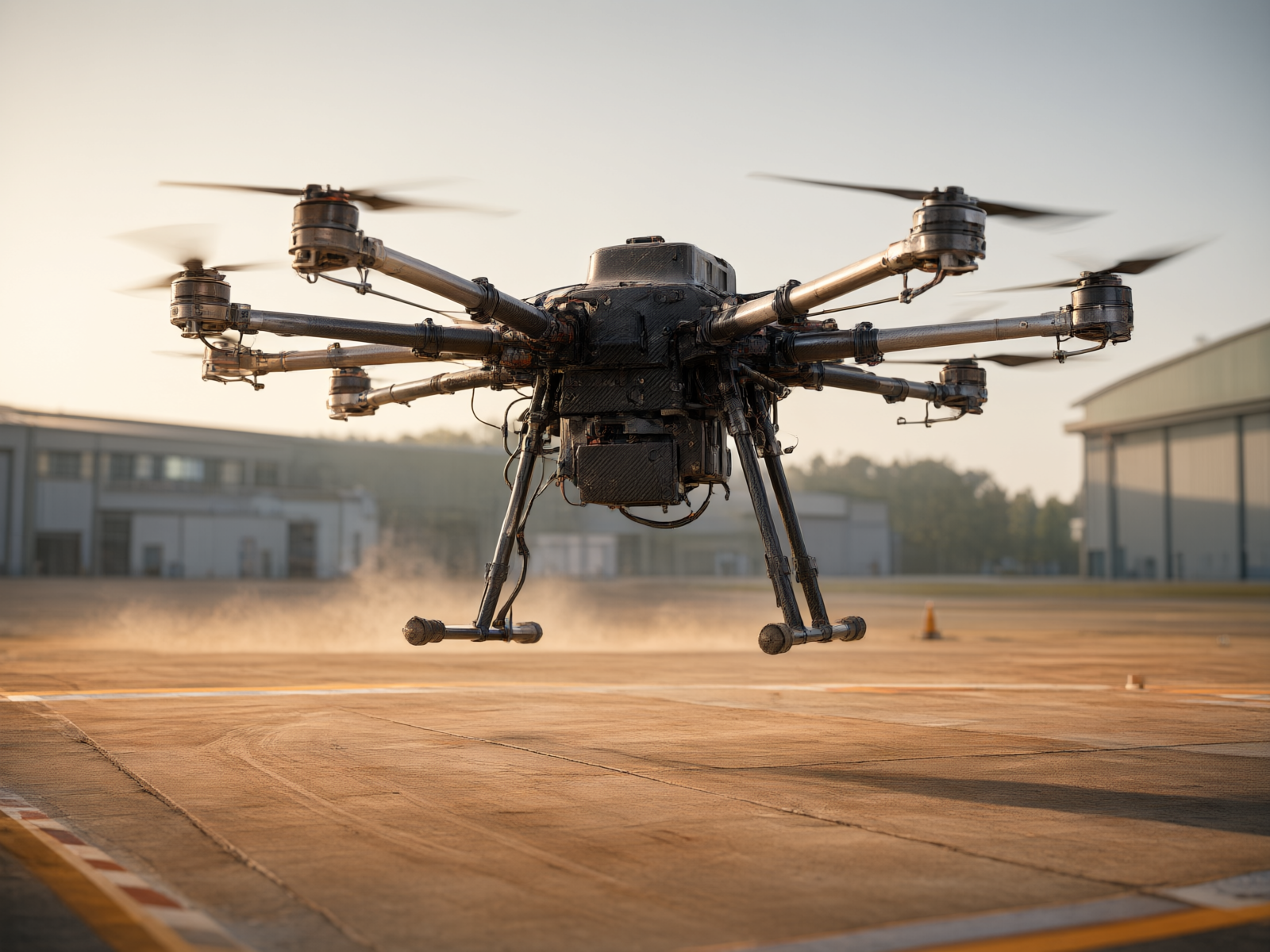
The boundaries of industrial drone applications are expanding rapidly. Heavy-lift transport, swarm coordination, precision agriculture, and water patrol—once isolated use cases—are now unified under a single technical framework. Drawing on years of R&D and deployment experience, we break this evolution down into five key dimensions to explain the underlying technology and engineering practices enabling full-scenario coverage.
Heavy-Lift Transport: Breaking Through Air Cargo Weight Limits
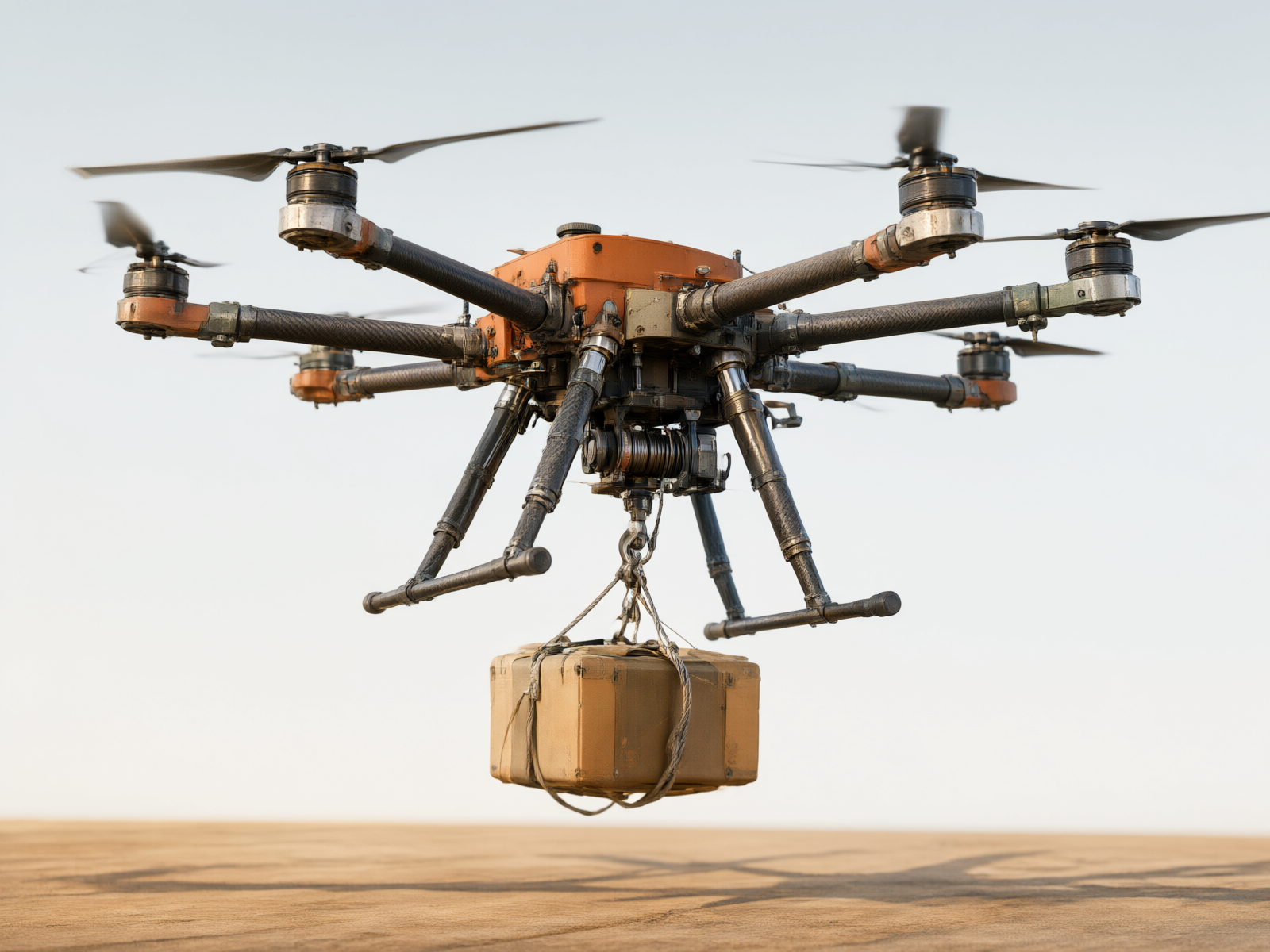
The first hurdle for drones entering the industrial sector is payload capacity. Consumer-grade models typically carry only a few hundred grams, while industrial applications—such as emergency relief delivery, power equipment component replacement, and mountainous infrastructure material lifting—require tens to hundreds of kilograms.
The Raptor® Heavy-Lift Series elevates single-unit payload capacity to two tiers: 500 kg and 1500kg. Paired with a dedicated suspension system and advanced flight control algorithms, it ensures stable takeoff/landing and precise delivery under heavy-load conditions. The Falcon® Transport Series is designed for mid- to short-range logistics, balancing payload and range to enable efficient aerial supply chains. Both series share core engineering principles: power systems, structural integrity, and flight control logic are engineered to industrial-grade standards—not merely scaled-up consumer products.
Cluster Collaboration: From Single-Node Jobs to Swarm Intelligence
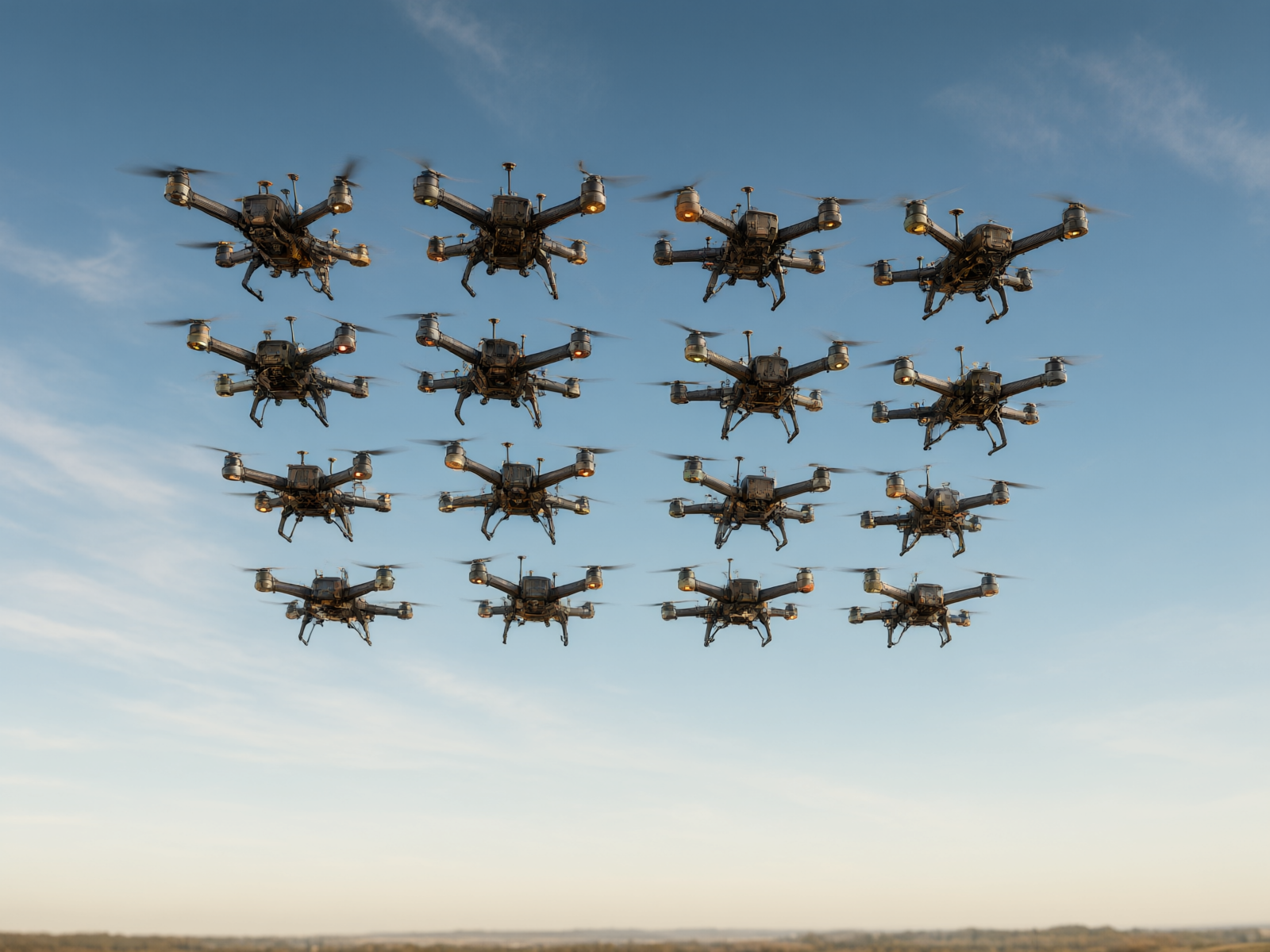
A single drone's operational efficiency has a physical ceiling. As task scale grows—large-area mapping, massive light shows, multi-zone simultaneous inspections—the time cost of sequential single-drone operations becomes unacceptable. Clustered collaboration is therefore the inevitable direction for technological evolution.
The Swarm® Cluster Collaboration System supports synchronized formation operations for 200 or more drones. Powered by our proprietary distributed communication protocol and real-time obstacle avoidance algorithms, it enables spatial coordination and task allocation across multiple units. Each drone acts as both an execution node and an information hub; the system dynamically adjusts flight paths and task priorities based on real-time status. This architecture shifts operational efficiency from linear to parallel growth, making it ideal for standardized large-scale scenarios.
Industry Applications: Deep Integration of Precision and Specialization
The value of industrial drones lies not in flight itself, but in transforming specific industry workflows. Different scenarios demand distinct payload types, flight endurance, and data output formats, requiring tailored product definitions.
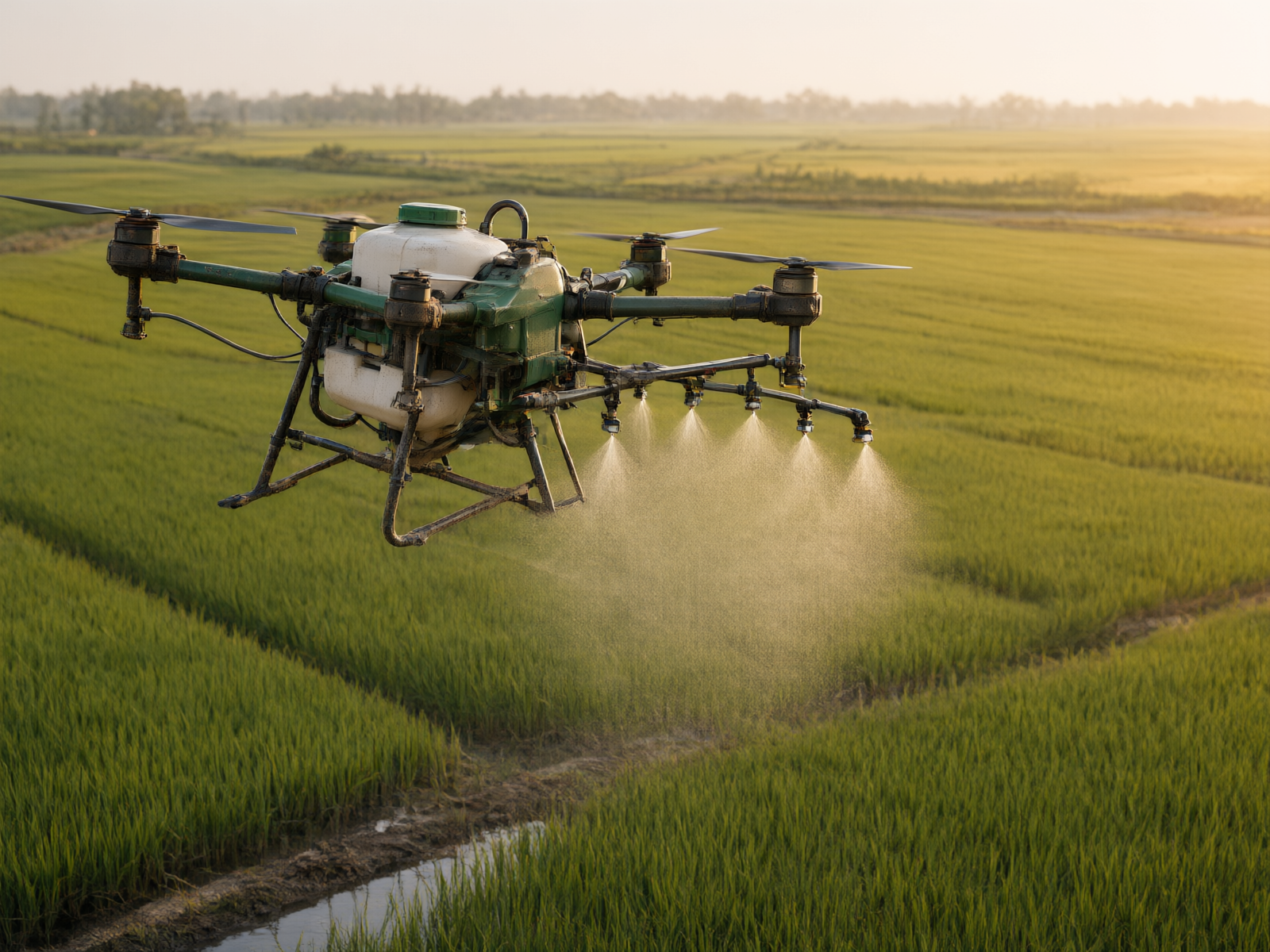
The X-Flyer® series covers three key industry scenarios. In agricultural protection, it features spraying and seeding systems for crop monitoring and variable-rate operations. For power inspection, it includes infrared thermal imaging to detect defects and temperature anomalies on transmission lines. In law enforcement and security, it integrates dual-optical payloads (visible and thermal) for patrol, reconnaissance, and emergency command. All three scenarios share the same flight platform but use independently developed payload interfaces, data processing modules, and ground station software to ensure full functionality in professional settings. The Xiaoyao-You® sightseeing travel series targets the low-altitude tourism market, transforming drones from production tools into experience platforms to unlock new business applications.
Expanding Waterfronts: The Industrial Path for Unmanned Surface Vehicles
The operational space for the low-altitude economy extends beyond the air. Scenarios such as water patrols, environmental monitoring, and maritime logistics create clear demand for unmanned surface vehicles. However, the technical barriers for USVs—hull structure, hydrodynamic design, wind and wave resistance, and long-range communication—are fundamentally different from those of UAVs.
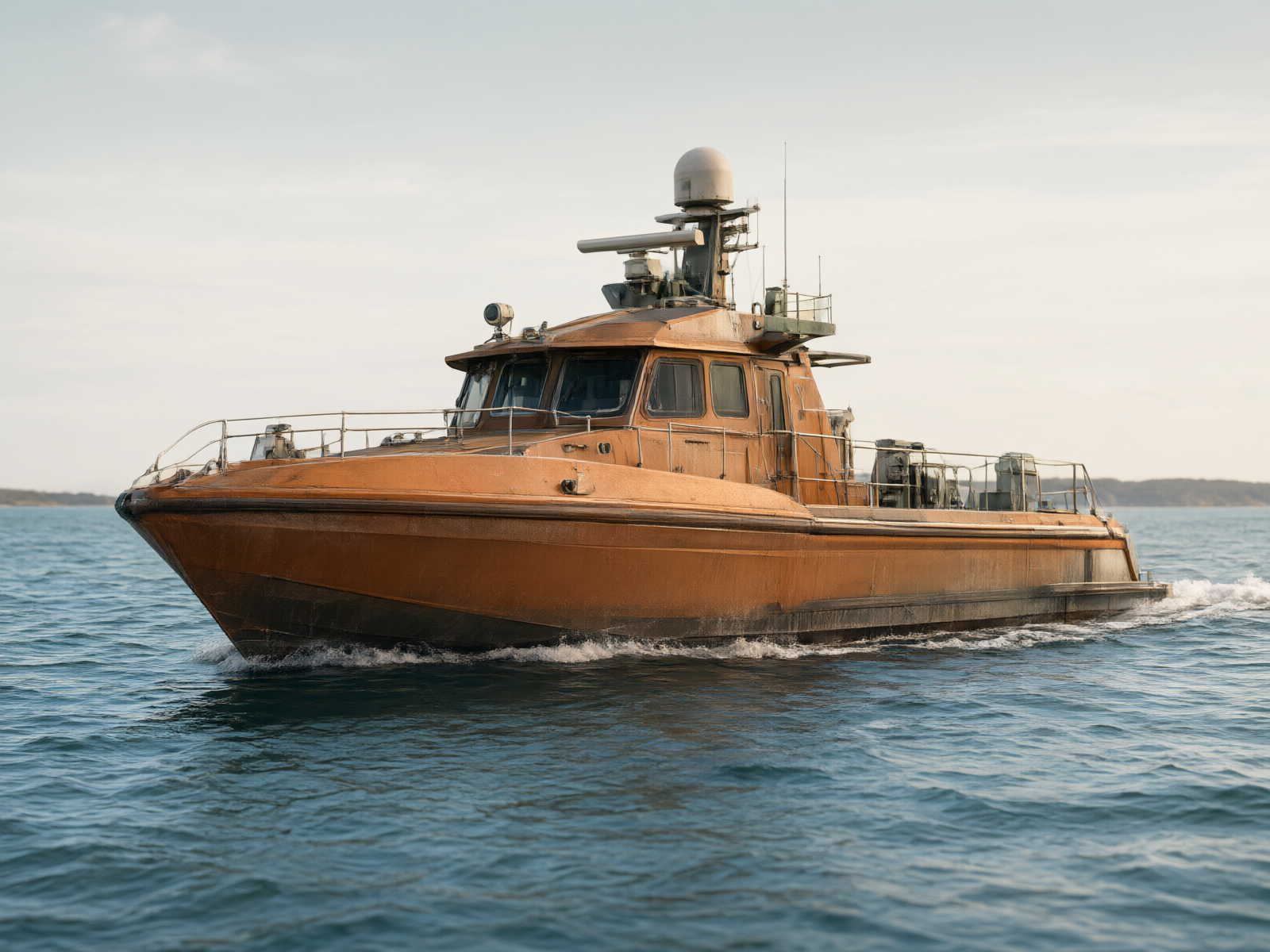
The Xiaobing® Large Unmanned Surface Vessel (USV) series offers two models: the 15-meter patrol boat, measuring 15×4.3 meters with a displacement of 16 tons, maximum speed of 44 knots, and range of 900 kilometers; and the 19-meter patrol boat, measuring 18.9×4.9 meters with a displacement of 33 tons, maximum speed of 26 knots, and range of 2848 kilometers. Both vessels are built to industrial-grade standards and support autonomous navigation and remote control for missions including coastal patrol, inland waterway monitoring, and island reef logistics supply. Complementary to our unmanned aerial vehicles, these USVs extend operational capabilities from air to surface.
Low-Altitude Security: Exploring Civilian Applications of Laser Countermeasures
The scaling of drone applications has created a reverse demand: low-altitude security protection. Airports, energy facilities, and key venues require effective control over unauthorized drones. Traditional methods (electromagnetic jamming, physical interception) face limitations in precision and collateral damage control.
A purely civilian and industrial laser anti-drone system offers an alternative technical approach. The system delivers output power at two levels: 30 kW and 100 kW, using precisely directed high-energy laser beams to achieve soft kill or hard destroy against target drones. It features long engagement range, rapid response, and controllable collateral damage. Designed for critical site protection and low-altitude security management, this system completes the defense-offense capability loop with drone products.
Engineering Significance of Full-Scenario Coverage
From 500kg heavy-lift drones to 200-drone swarms, from agricultural植保 to 2km-range ocean patrol vessels and laser countermeasure systems—full-scenario coverage isn't just a product lineup; it's engineering adaptation for industrial-grade unmanned systems across diverse physical environments and mission scales. Each product series defines technical specifications for specific scenarios, delivering customized R&D solutions that meet the unique needs of industry users.
This layout's core logic is to enable users to discover proven, parameter-transparent, and customizable solutions within their specific task scenarios.